
Quick Answer
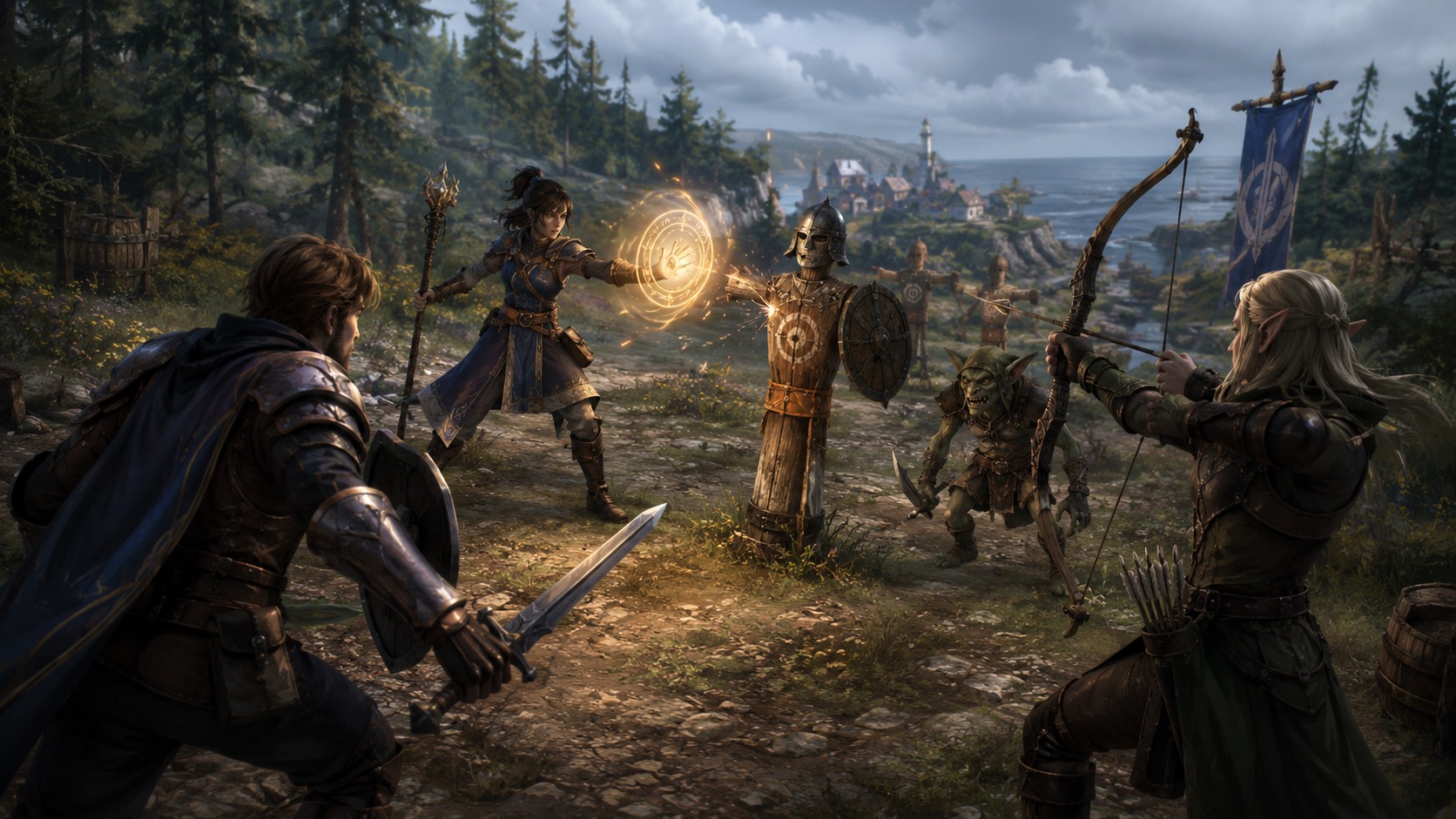
Combat in Brighter Shores is a profession-based system where you fight enemies to gain combat experience, improve your character, and unlock better options over time. Beginners should focus on fighting suitable enemies, wearing the best gear they can use, bringing enough supplies, and avoiding fights that are clearly too difficult.
Your class affects your combat style, but gear, preparation, and steady leveling matter just as much. Early combat is not about rushing into the strongest enemies. It is about learning how fights work, upgrading equipment, and building safe progress.
How Combat Works in Brighter Shores
Combat in Brighter Shores is built around fighting enemies in different areas of the game world. When you defeat enemies, you gain progress in the relevant combat profession for that part of the game.
This is important because Brighter Shores uses professions heavily. Combat is not just one simple stat that works the same everywhere. As you move through the game, different areas can introduce different combat-related professions and progression paths.
For a new player, the main thing to understand is simple:
You fight enemies, gain combat experience, improve your combat level, and become better prepared for stronger fights.
Combat also connects closely to gear. Better weapons and armor make fights safer and smoother. If you ignore your equipment, enemies that should be manageable can become much harder.
Combat Basics for Beginners
When you first start fighting, do not overthink every system. Focus on the basic loop:
- Find enemies close to your current combat level.
- Fight them safely.
- Heal or restock when needed.
- Upgrade your gear when possible.
- Move to stronger enemies only when fights feel comfortable.
Early combat is mostly about learning your limits. If an enemy takes too long to defeat or leaves you nearly dead after every fight, it may not be the best choice yet.
You should also pay attention to where you are fighting. Some areas are easier to return to than others. For beginners, it is usually better to train near safe paths, shops, or places where you can recover and prepare again.
Do not treat combat as something separate from the rest of the game. Gathering, crafting, money-making, and exploration can all support your combat progress.
Classes and Combat Style
Your class affects the way your character approaches combat. Brighter Shores classes are tied to different combat identities, so your class choice can influence what weapons, gear, and playstyle feel most natural.
However, beginners should not panic too much about picking the “perfect” class. A class can shape your combat style, but it does not replace good preparation. A poorly equipped character will still struggle, even with a strong class choice.
In general, think about class choice like this:
| Class Factor | Why It Matters |
|---|---|
| Combat style | Affects how your character feels in fights |
| Gear preference | Some equipment may suit your class better |
| Long-term identity | Helps define your character’s direction |
| Beginner comfort | Some styles may feel easier to understand early |
For a deeper breakdown, read the Brighter Shores classes guide.
The best beginner approach is to learn what your class does well, then support that style with suitable gear and careful enemy choices.
Gear, Weapons, and Preparation
Gear is one of the biggest parts of combat progression. If you are struggling in fights, your first question should often be: “Is my gear behind?”
Weapons affect how well you can defeat enemies. Armor helps you survive. Both matter.
Before training combat, check these basics:
- Are you using the best weapon available to you?
- Is your armor outdated?
- Do you have enough healing or recovery options?
- Are you fighting enemies that match your current strength?
- Is your inventory prepared before you leave a safe area?
A common beginner mistake is trying to level combat while using old equipment. This makes every fight slower and riskier. Even small upgrades can make training feel much better.
Preparation also means knowing where you are going. If you are entering a new area, make sure you understand how to get back, where enemies are located, and whether you can safely leave if fights become difficult.
The Brighter Shores map guide can help if you are still learning routes and locations.
Leveling Through Combat
Leveling combat is usually a steady process. You defeat enemies, gain experience, and gradually unlock better options. The best enemy to train on is not always the strongest one you can survive.
A good training enemy should be:
- Safe enough to fight repeatedly
- Close enough to access without wasting time
- Not too slow to defeat
- Worth fighting for your current level
- Manageable without constant restocking
Beginners often think harder enemies always mean faster progress. That is not always true. If a stronger enemy takes too long, drains too many supplies, or forces you to stop often, a slightly easier enemy may be better overall.
The goal is consistent training. Smooth fights usually beat risky fights.
You should also mix combat with other progression when needed. If your gear is weak, spend time earning money or collecting materials. If you are lost, explore and unlock better routes. Combat becomes easier when the rest of your character is improving too.
For broader progression advice, use the Brighter Shores leveling guide.
Common Combat Mistakes
Many new players struggle with combat because they rush or ignore simple preparation. These mistakes are easy to avoid once you know them.
Fighting enemies that are too strong
Surviving a fight does not always mean it is a good training choice. If every fight is dangerous, you are probably wasting time and supplies.
Ignoring gear upgrades
Old weapons and armor make combat harder than it needs to be. Check your equipment often, especially after gaining levels or reaching new areas.
Training too far from safety
If you have to travel too far after every mistake or restock, combat becomes slower. Early on, choose convenient places to train.
Not learning your class
Your class matters. You do not need to master everything immediately, but you should understand what your class is meant to do and what gear supports it.
Expecting one method to work forever
As your level rises, your best training enemy or area may change. Recheck your options instead of staying in one place for too long.
Forgetting the wider game
Combat is easier when your money, supplies, map knowledge, and gear are improving too. Do not ignore non-combat progress.
Combat Tips for New Players
Start with enemies that feel easy and predictable. Your first goal is not maximum speed. It is learning how combat feels and building confidence.
Upgrade your weapon when fights start taking too long. Upgrade armor when you are taking too much damage. If both problems are happening, pause combat and improve your setup before continuing.
Keep your training simple. Pick a good area, fight enemies you can handle, and repeat until progress slows down. Then look for the next practical step.
Use combat as part of your full early-game plan. You may need to explore, unlock routes, gather resources, or earn money before combat feels smooth. That is normal.
The Brighter Shores beginner guide is useful if you are still deciding what to focus on first.
Most importantly, do not rush into advanced methods too early. Brighter Shores rewards steady progress. Learn your class, keep your gear updated, and choose enemies that let you train consistently.
For more help with the game, visit our Brighter Shores guides.
More Brighter Shores Combat and Progression Guides
If you are using this Combat guide to understand fights, gear, or early progression, the next step is to connect combat with classes, leveling, useful skills, vendors, storage, and money making. Combat becomes easier when you know what to train, where to get supplies, and how your route fits into overall progression.
Use these guides if you want to move from combat basics into practical progression steps.
| Related Guide | Best For |
|---|---|
| Beginner Guide | Learning what to do first as a new player |
| Classes Guide | Choosing a class and understanding combat options |
| Leveling Guide | Planning faster early and mid-game progression |
| Best Skills to Level First | Choosing useful early skills |
| Best Professions Guide | Connecting combat with long-term progression |
| Money Making Guide | Building gold for supplies and progression |
| Bank and Storage Guide | Managing useful items and equipment |
| All Vendor Locations | Finding shops, vendors, and supplies |
| Tool Locations Guide | Finding useful early tools |
| Brighter Shores Map Guide | Finding locations and planning routes |
| Hopeport Guide | Learning the first major area |
If you are new, start with the Beginner Guide and Classes Guide before choosing a long-term combat route.
If your goal is faster progress, use the Leveling Guide together with the Best Skills to Level First and Money Making Guide.
FAQ
How do I start combat in Brighter Shores?
Find an enemy you can fight, make sure you have basic gear equipped, and engage it. Early on, choose weaker enemies while you learn how combat works.
Does class matter for combat?
Yes. Your class affects your combat style and can influence what gear or approach feels best. However, gear and preparation are still very important.
What is the best way to level combat early?
Fight enemies that you can defeat safely and consistently. Avoid enemies that are too strong, even if they seem better for progress.
Should I upgrade weapons or armor first?
It depends on the problem. If fights are too slow, improve your weapon. If you are taking too much damage, improve your armor.
Why am I struggling in combat?
You may be fighting enemies that are too strong, using outdated gear, or training too far from safe recovery options. Try easier enemies and check your equipment.
Is combat required in Brighter Shores?
Combat is an important part of progression, but Brighter Shores also has many non-combat professions. Even so, improving combat helps you access and handle more of the game safely.